Cotton vs Polyester vs Blends: A Simple Sweatshirt Fabric Guide
Cotton vs polyester vs blends: a simple sweatshirt fabric guide covering softness, shrinkage, fleece vs French terry, fabric weight and print care.
In this article
Two sweatshirts can look the same in a photo and feel completely different in your hands. The reason is fabric. This guide explains cotton, polyester and blends in simple terms, so you know what you are buying and how it will wear, wash and feel.
Cotton: Soft and Breathable
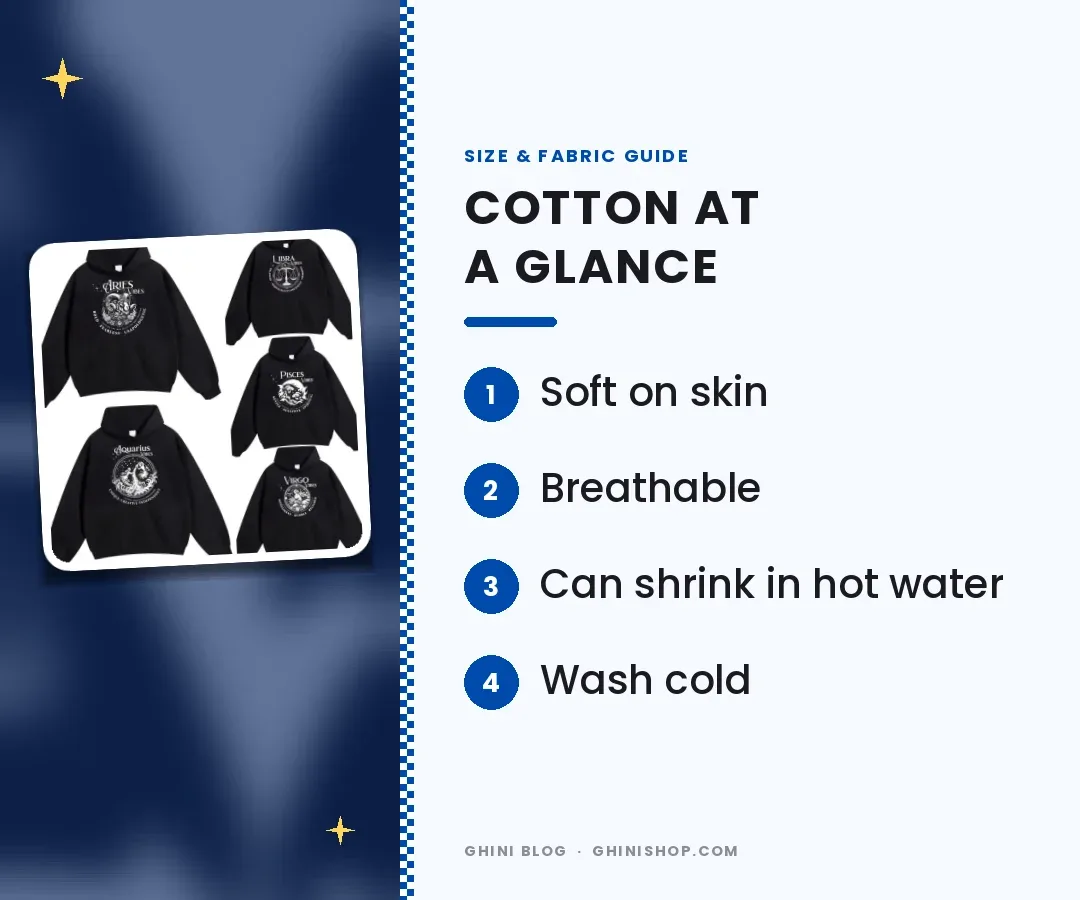
Cotton is a natural fiber. It feels soft, lets air through and is comfortable against the skin. Its weak points are that it can shrink in hot water, holds moisture longer and may fade faster if washed harshly. Sweatshirts with more cotton usually feel softer and less shiny.
Polyester: Durable and Quick to Dry
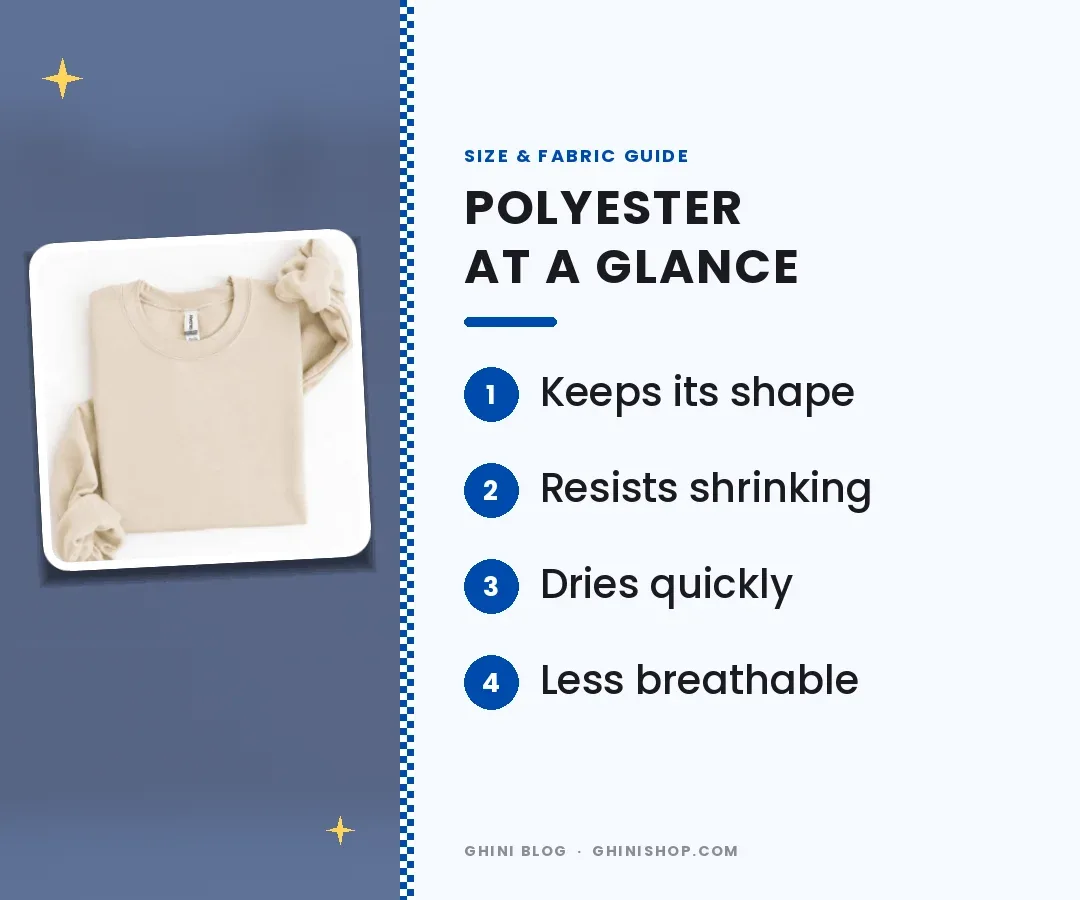
Polyester is a synthetic fiber. It is strong, keeps its shape, resists shrinking and wrinkles, and dries quickly. It is less breathable than cotton and can feel warmer during activity. In a sweatshirt, polyester helps the garment survive many washes without losing its shape.
Blends: The Everyday Middle Ground
Most everyday sweatshirts are a blend of cotton and polyester, and an even 50/50 mix is one of the most common. A blend aims for the comfort of cotton with the durability of polyester. It shrinks less than pure cotton and feels softer than pure polyester, which is why blends are so widely used for printed crewnecks and hoodies.
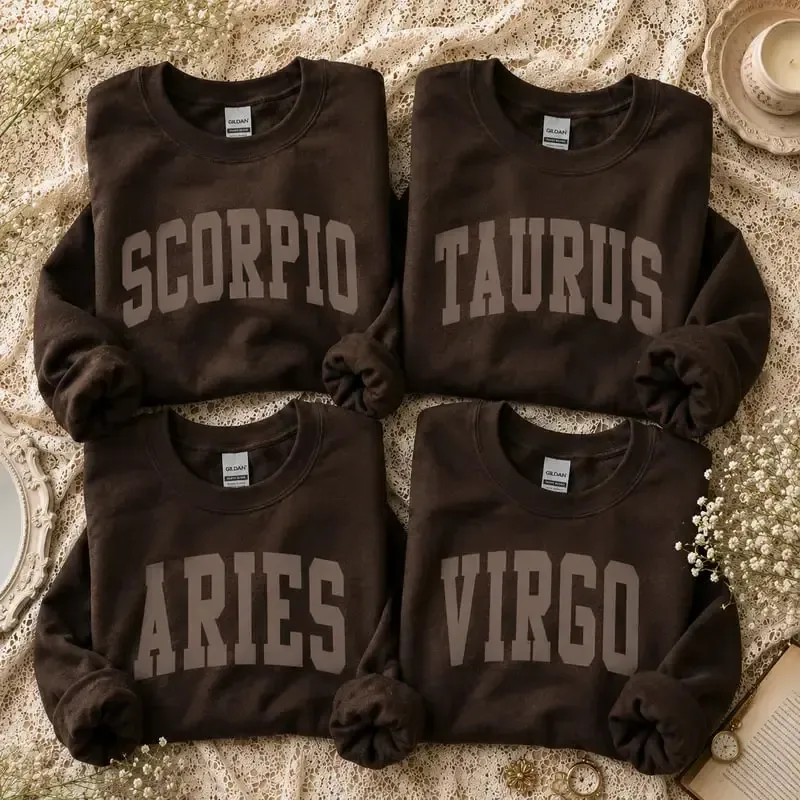
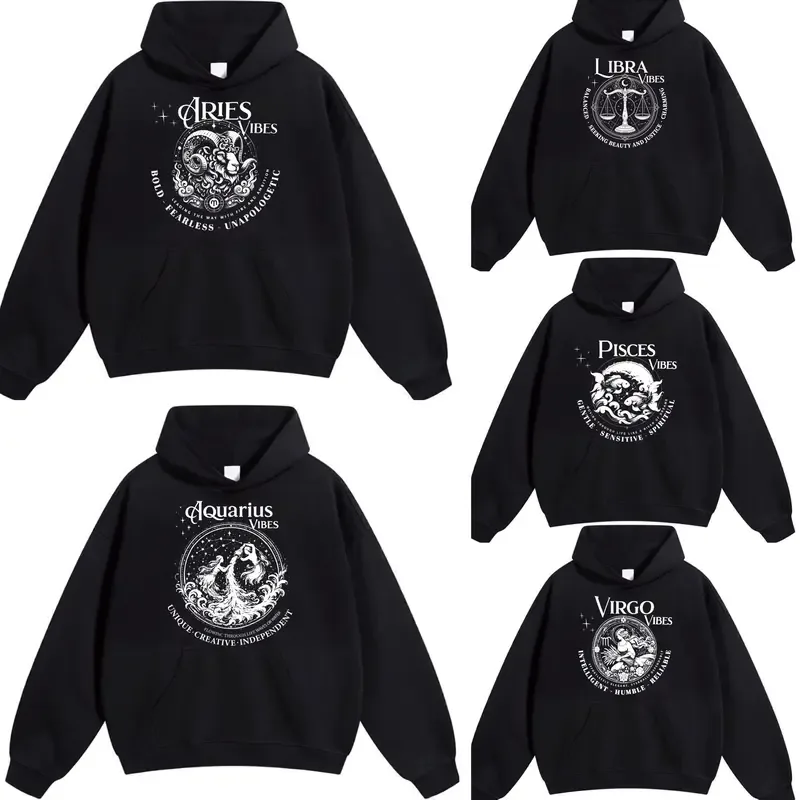
See the Dark Chocolate Zodiac Sweatshirt
Fleece vs French Terry
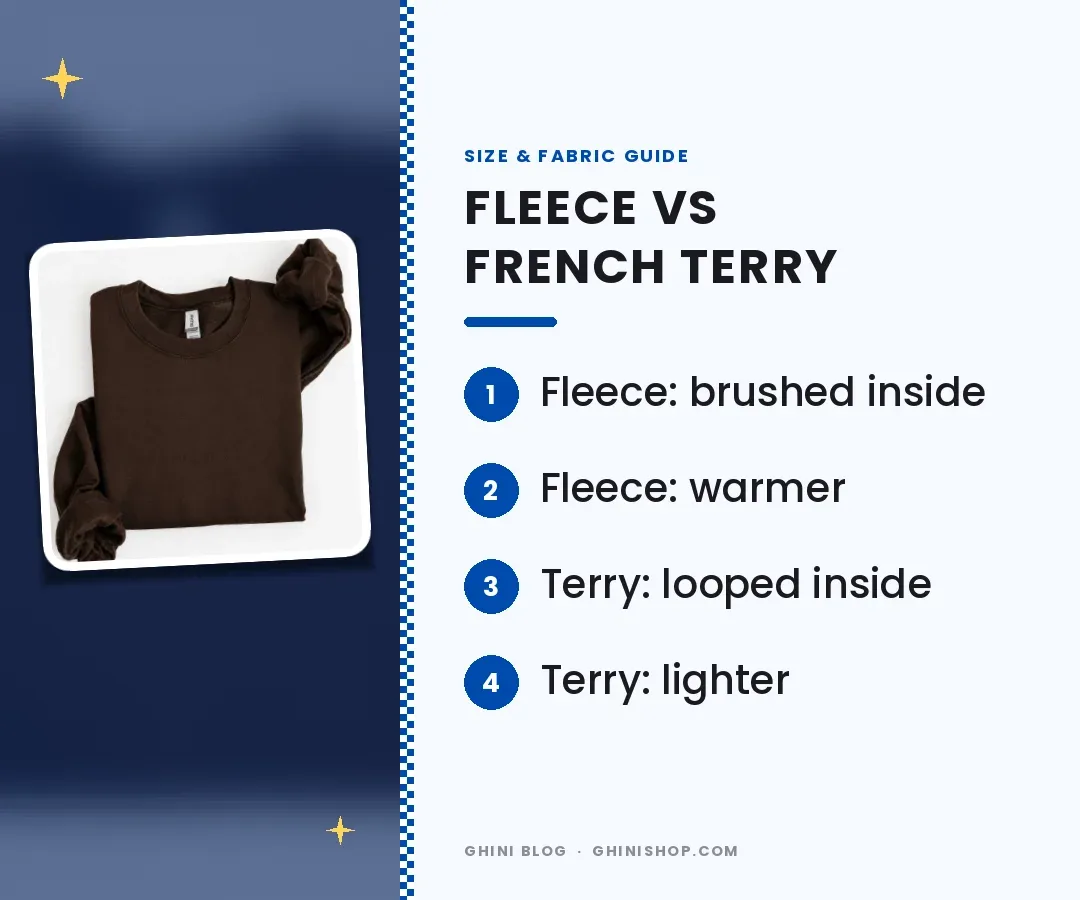
Fabric is also described by how the inside is finished. Fleece is brushed on the inside, so it feels fuzzy and traps warmth. It is the classic cold-weather sweatshirt. French terry has small loops on the inside. It is lighter and cooler, and good for spring or layering. If a listing says "fleece", expect a warmer and softer inside.
What Fabric Weight Means
Weight tells you how thick the fabric is, in ounces per square yard or grams per square meter. A heavier sweatshirt feels more substantial and warmer. A lighter one is easier to layer. Midweight is the all-round choice for most people and most seasons.
Which Fabric Is Best for Printed Designs?
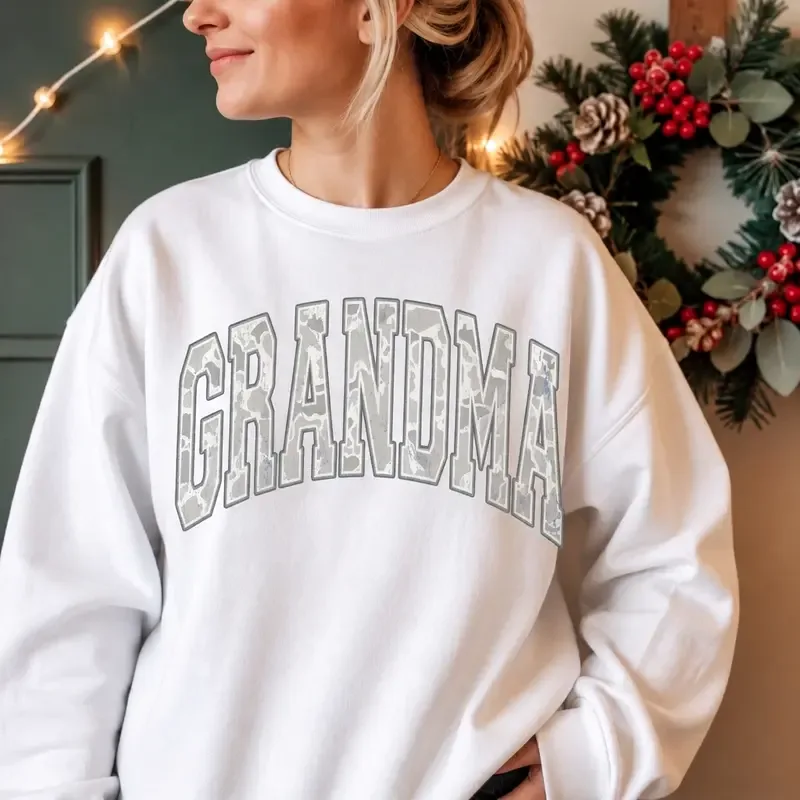
For graphic sweatshirts, a smooth face gives the cleanest print, and cotton-rich fabric generally takes ink well. Whatever the blend, the care routine matters more than the label: wash inside out in cold water and dry on low heat to keep the design sharp.
See the Snow Camo Mama Sweatshirt
How to Read a Listing
- Look for the fiber content, for example cotton and polyester percentages.
- Check whether it says fleece or French terry.
- Note the weight if it is listed.
- Read the care instructions before the first wash.
Next, compare styles in hoodie vs crewneck or learn how to stop a sweatshirt from pilling.
Frequently Asked Questions
Is 100% cotton better than a blend?
It depends on what you want. Pure cotton is very breathable, while a blend shrinks less and keeps its shape longer.
Do blended sweatshirts shrink?
Less than pure cotton, but hot water and high heat can still cause some shrinkage. Wash cold to be safe.
What fabric do GHINI sweatshirts use?
Check the product description on each listing for the exact fabric and care details.
Final Thoughts
Cotton brings softness, polyester brings durability and a blend gives you some of both. Read the listing, pick the weight for your climate, and treat the sweatshirt gently in the wash.
You May Also Like
Gift ideas before every holiday
One short email before each holiday with new GHINI designs and gift ideas. No spam, unsubscribe anytime.
By subscribing you agree to our Privacy Policy.
You may also like
Unisex vs Women's Sweatshirt Sizing: What's the Difference?
Unisex vs women's sweatshirt sizing explained: how the cuts differ, which size women should order in unisex and how to measure a sweatshirt you own.

Hoodie vs Crewneck Sweatshirt: Which Should You Buy?
Hoodie vs crewneck sweatshirt: the key differences in style, fit, fabric and warmth, and which one makes the better gift.

How to Choose a Sweatshirt Size for a Gift (Without Asking)
How to choose the right sweatshirt size for a gift: measure a sweatshirt they own, read the size chart, understand unisex fit and size up when in doubt.