
How to Fix Oily Hair at Home: Causes, Habits and Quick Fixes
Why your hair gets greasy so fast, plus simple at-home habits, gentle rinses, dry shampoo tricks and easy hairstyles to manage oily hair between washes.
In this article
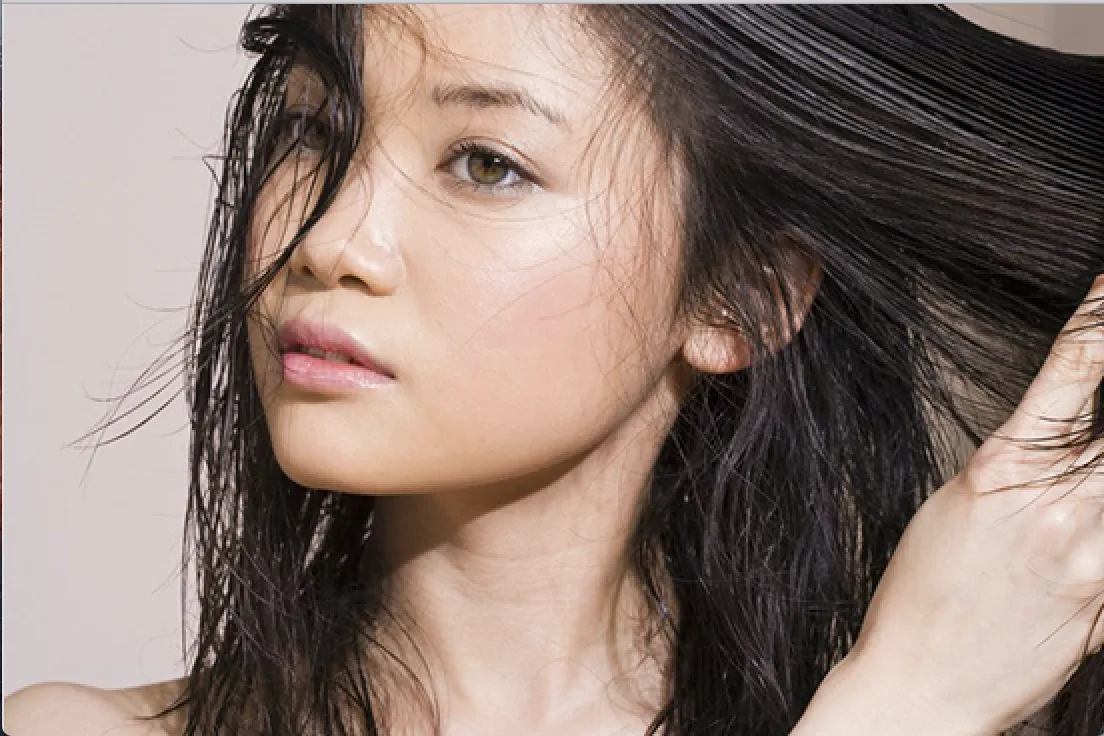
Greasy roots by lunchtime are frustrating, especially in hot, humid summer weather. The good news is that oily hair usually comes down to a handful of causes, and most of them respond to small changes in how you wash, style and care for your scalp.
Why your hair gets oily so fast
It helps to know what's behind the grease before you start trying fixes. A few common culprits:
- Active oil glands. Every hair follicle sits next to sebaceous glands that make sebum, your scalp's natural oil. Some people simply produce more of it, and the only real answer is keeping the scalp clean so the oil doesn't build up.
- Hormone shifts. Many people notice oilier hair around their period or during pregnancy, when hormone levels change.
- Heat and humidity. In summer, both oil and sweat glands work harder, so roots get greasy faster.
- Dirty hats and helmets. A bike helmet, workout cap or beanie that never gets washed traps heat, sweat and oil right against your scalp.
- The wrong products, or the wrong placement. A shampoo that doesn't suit your scalp can leave it oily or flaky. And not every product belongs on the roots; heavy conditioners and hair oils are meant for the mid-lengths and ends.
- Stress and diet. Ongoing stress may make oil glands more active, and some people find their scalp gets oilier when they eat a lot of sugary or greasy food.

Wash smarter, not harder
It's tempting to scrub your hair twice a day, but harsh, constant washing can leave the scalp irritated. Find a routine that keeps you clean without stripping, which for many people means every day or every other day.
- Pick a gentle shampoo labeled for oily hair or oily scalp. Focus it on the scalp and massage with your fingertips, not your nails.
- Apply conditioner only from the mid-lengths to the ends. Keeping it off the roots makes a big difference.
- Rinse thoroughly. Leftover product weighs hair down and makes it look greasy sooner.
- Use lukewarm rather than very hot water.
Everyday habits that help
Clean your hats and helmets
Wipe down helmet pads and wash caps regularly. If your bangs always go flat under a helmet, try tucking a blotting paper or a thin, clean cloth between your forehead and your hair so forehead oil doesn't transfer.
Protect your hair outdoors
A wide-brimmed hat shields your hair from strong sun. If you use a UV protectant spray for hair, choose a lightweight formula that won't leave roots sticky.
Eat for healthy hair
Cut back on very sugary and fried foods and lean on leafy greens, fish, avocado, nuts and seeds. Foods with B vitamins, vitamin E and zinc are a good part of a balanced diet. Don't expect overnight results, though. Diet works slowly, if at all, for oiliness.
Quick fixes between washes
When you need to look fresh in five minutes, dry shampoo is your friend. Spray or sprinkle it at the roots, wait a minute, then massage and brush through.
No dry shampoo on hand? A little cornstarch or arrowroot powder works in a pinch. Dust a small amount onto your palm, pat it into the roots, then brush out the excess with a wide-tooth comb so you don't rub your scalp too hard. If your hair is dark, go easy so it doesn't look chalky.
Simple DIY rinses (use with care)
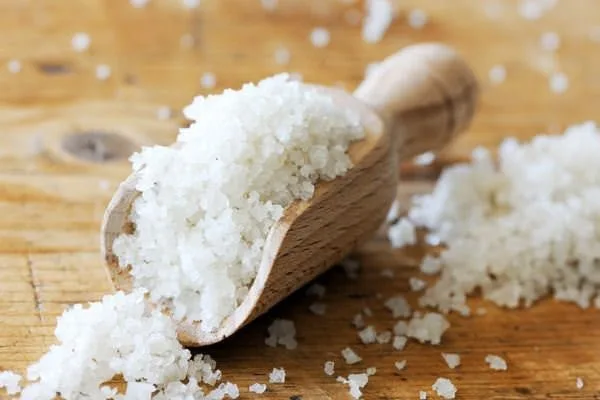
Lots of kitchen remedies get passed around for oily hair. A few are reasonably gentle. Others, like rubbing salt or straight alcohol on your scalp, are more likely to dry it out or irritate it, so we'd skip those. Patch-test anything new, and stop if you notice stinging, redness or flaking.
- Apple cider vinegar rinse. Mix about 1 to 2 tablespoons of apple cider vinegar into a cup of water. After shampooing, pour it over your scalp, massage briefly and rinse. Always dilute it, and keep it away from your eyes. The smell fades as your hair dries.
- Green tea rinse. Brew a cup of green tea, let it cool completely, and use it as a final rinse after washing. It feels refreshing on a warm day.
- Aloe vera. Apply fresh aloe gel or a pure store-bought gel to your scalp, leave it on for about 30 minutes, then shampoo as usual. Plenty of people find it soothing.
- Clarifying once in a while. If your hair feels coated with product, a clarifying shampoo every week or two can reset things. It's a more reliable option than DIY baking soda pastes, which can be harsh on the scalp.
Lemon juice rinses are popular too, but citrus can sting a sensitive scalp. If you have dermatitis, eczema or any open skin, skip the acidic rinses entirely.
Hairstyles that hide greasy roots
Some days you just need a style that works with second-day hair.
- Braids. A crown braid, a classic plait or a side braid all hide oily roots well. Slightly greasy hair often holds a braid better than freshly washed hair anyway.
- A loose top knot. Pull hair into a high ponytail, twist the length, wrap it around the base and pin it. Keep it a little loose around the hairline for softness and volume.
- A ponytail. Wear it high for a sporty look or low for something softer. A scarf or headband over the roots helps too.


When to see a dermatologist
If your scalp is oily and also itchy, red, scaly or flaking, or if you're shedding more hair than usual, it could be something like seborrheic dermatitis instead of plain oily hair. A dermatologist can figure out what's going on and recommend the right treatment.
Oily hair rarely goes away overnight, but a better washing routine, cleaner hats and a few smart styling tricks can stretch the time between washes. Make one or two changes, give them a couple of weeks, and pay attention to how your scalp responds.
You may also like

Matching Christmas Reindeer Sweatshirts for Family
Thinking about matching Christmas sweatshirts for the whole family? Here's a look at a reindeer design for adults and youth, plus what to check before you order.
Grapefruit Essential Oil for Hair: A Careful Guide to Scalp Care at Home
Grapefruit essential oil is popular in DIY hair care. See how to dilute it safely, three ways to use it, and honest expectations about hair loss and growth.
3 Ways to Help Damaged Hair Recover After Heat, Color and Perms
Heat styling, color and perms take a toll on hair. These three habits, moisture, conditioner and fewer chemical treatments, help damaged hair look healthier.